 Listicle
Questions Retirees Ask Before Funeral Celebrant Training
Last Updated: November 8, 2026
Quick Summary
Retirees ask whether they want to serve grieving families rather than be seen as helpful, whether they can hold a room and stay comfortable with their own feelings about death, and whether they can write to a deadline in someone else's voice. Funeral celebrant training is rarely the real question; whether the life fits is.
- A good funeral celebrant listens more than they speak and turns scattered memories into a ceremony that sounds like the person who died.
- The hardest part is the accumulation of services, with no colleague in the corridor to share a look with.
- One ceremony can take twelve to fifteen hours across the week, from the first call to the follow-up.
- Most celebrants treat the income as a supplement to pension income, at least in the early years.
- First bookings come through funeral directors, so start locally with a short, professional introduction.
Table of Contents
- Why Retirees Are Drawn to Funeral Celebrancy
- Questions to Ask Yourself Before Becoming a Celebrant
- The Qualities of a Good Funeral Celebrant
- The Emotional Demands of Being a Funeral Celebrant
- How Long Does Celebrant Training Take?
- The Realities of the Work: A Week in the Life
- Getting Your First Bookings and Building a Reputation
- Frequently Asked Questions
Why Retirees Are Drawn to Funeral Celebrancy
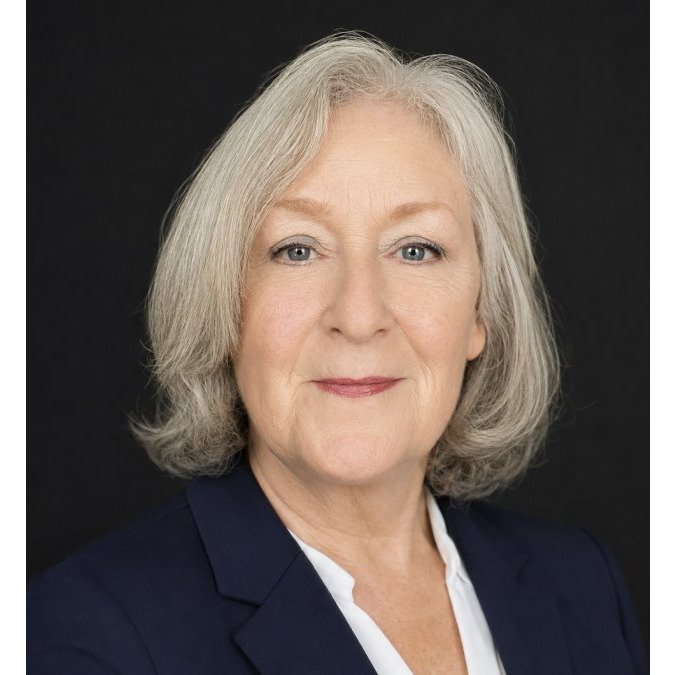
Retirement often arrives with a strange mix of relief and restlessness. After decades of structure, many people find themselves asking what comes next, and for a growing number the answer is funeral celebrancy. I'm Mary Hopes, and I've spent 45 years working with people in distress, including as a former Coroner's Officer. When retirees contact me about funeral celebrant training, the questions they ask are rarely about the funeral celebrant training itself. They're about whether the life fits.
That's worth sitting with for a moment. The pull towards this work is usually genuine: a wish to be useful, to bring calm to a room, to do something that matters. The doubts are genuine too. This article is one point from my guide, Before You Become a Funeral Celebrant: 10 things to know before paying for training, and it covers the seven questions I hear most often from people considering a second career in celebrancy.
One thing to be clear about from the start: I am not a trainer, and I don't advise anyone on how to train to become a celebrant. What I offer is a view of the realities of the life, and the values and skills of the people who consult me.
Questions to Ask Yourself Before Becoming a Celebrant
Before you look at a single course, ask yourself whether you actually want this life, not just the idea of it. The honest answer usually surfaces quickly when you sit with the question rather than rushing past it.
Here are the questions I'd put to anyone weighing this up:
- Do I want to serve grieving families, or do I want to be seen as helpful?
- Can I hold a room without needing the room to hold me back?
- Am I comfortable with my own feelings about death?
- Can I write to a deadline, in someone else's voice, and take feedback?
- Do I have the energy for irregular work at short notice?
If you want to work through these properly, my page on the personal considerations before committing walks through them one by one.
The Qualities of a Good Funeral Celebrant
A good funeral celebrant is a calm, reliable presence who listens more than they speak and can turn a family's scattered memories into a ceremony that sounds like the person who died. That's the short version. The longer version is that the job asks for a particular temperament, and it's not the one most people assume.
Public speaking matters, but it's the least of it. What families notice is whether you turned up prepared, whether you remembered the small detail about the dog, whether your voice held steady when theirs didn't. Active listening, careful writing, and a genuinely warm manner carry more weight than a polished delivery.
There's a practical side too. You need to be comfortable picking up the phone, chasing a detail, and working alone without anyone checking your work. If you'd like a fuller picture of the skills involved, my article on the funeral celebrant skills that matter goes deeper.
The Emotional Demands of Being a Funeral Celebrant
The emotional demands are real, and they don't announce themselves in the first week. You'll sit with raw grief in a family's front room, then drive home to your own life and put the kettle on. The skill is in knowing where the boundary sits.
What most guides miss is that the hardest part isn't the funeral itself. It's the accumulation. Three services in a week, each with its own weight, and no colleague in the corridor to share a look with. Self-care isn't a luxury here; it's part of doing the job well.
Professional boundaries help. You can be warm without becoming the family's counsellor, and you can care deeply without carrying the grief home. That distinction takes practice, and it's one of the things I explore with people who consult me.
How Long Does Celebrant Training Take?
Courses vary, and it pays to look closely before you commit. That is why I don't recommend one route over another. I'm not a trainer and I don't sell courses, and I don't advise anyone on how to train to become a celebrant.
What I can tell you is what happens after training, which is the part that catches people out. If you'd like to understand what a conversation with an experienced celebrant actually involves, what happens in a celebrancy career consultation explains it plainly. And if you do want a chat, I can give you questions to ask your chosen providers - there are so many about nowadays and they range in price, quality, scope and outcome.
The Realities of the Work: A Week in the Life
A typical week is rarely typical. You might get a call on Monday from a funeral director asking if you're available for a service the following Thursday. You say yes, then spend Wednesday visiting a family, the weekend writing and refining the tribute, and the following Thursday morning at the crematorium or a burial ground, holding the ceremony. Between services there's admin: emails, travel, invoices, and the quiet business of self-employment. And, of course, other services take up the other free time slots you have in that timeframe.
Income arrives per ceremony rather than as a salary (mostly by the BACS system, although some funeral directors still prefer the humble cheque!) and start-up costs and business expenses are yours to manage. Insurance is sensible. Work comes through referrals, which build slowly and only if you've done a good job.
It's freelance work, and althoughthe freedom is real, the uncertainty really is too. Some weeks are full; others are quiet. For a retiree, that variability can sit awkwardly alongside a fixed pension. You might earn nothing for a fortnight, then conduct three services in five days.
Most celebrants I speak to treat the income as a supplement rather than a replacement for pension income, at least in the early years. Start-up costs are modest but real: public liability insurance, a suitable outfit, travel, and perhaps a laptop or printer. A website is preferable but not required. Ongoing expenses include travel, stationery, and any professional memberships you choose to keep. It's worth sitting down with a calculator before you commit, and asking whether the quiet weeks would feel like freedom or like a hole in your budget.
A realistic week might look like this: one day, a call from a funeral director for a T service in 10 days time; a two-hour family visit to gather memories; four hours writing and refining the tribute, plus a call to the crematorium to confirm timings; the service itself, plus travel; invoicing and a follow-up call to the funeral director and family to say thank you. That's perhaps twelve to fifteen hours of work for one ceremony, though it varies with the complexity of the tribute and the distance travelled.
If you'd like to understand what a conversation with an experienced celebrant actually involves, what happens in a celebrancy career consultation explains it plainly.

Here is how one short turn-around ceremony can fill a week.
Day | What happens | Time or note |
|---|---|---|
Monday | Call from a funeral director for a Thursday service | Short notice |
Tuesday | Two-hour family visit to gather memories | Two hours |
Wednesday | Writing and refining the tribute, plus call to confirm timings | Four hours |
Thursday | The service itself, plus travel | Varies with distance |
Friday | Invoicing and a follow-up call to the funeral director | Admin |
Whole ceremony | Total work for one ceremony | Twelve to fifteen hours |
Getting Your First Bookings and Building a Reputation
Your first bookings almost always come through funeral directors, and they come when you've made yourself known as someone reliable. Reputation in this work is built one ceremony at a time, and it travels by word of mouth between funeral directors, crematorium staff, and the families themselves. But how do you get that first opportunity when you have no track record?
Start locally. Approach funeral directors in your area with a short, professional introduction: who you are, that you've completed training, and that you're available to conduct services at short notice. Don't oversell; DON’T bring cake: just be clear and courteous. Many celebrants find that their first booking comes from a funeral director who is simply glad to have another reliable name on the list. Crematorium staff are another route: they see celebrants at work and can be a quiet source of recommendations to funeral directors if you've made a good impression.
Practical experience matters more than any certificate on the wall. Turn up early, dress appropriately, learn the venue, and be the person the staff are glad to see. That's how referrals start. Perhaps ask if you can observe a service or two - but ONLY if a funeral director and specific celebrant are willing - don’t push; it's a chance to learn the rhythm of a ceremony without the pressure of leading it. Some celebrants build a simple portfolio of written tributes (anonymised) to show families what their style looks like, though most families who find a celebrant directly already know who they want and where to find them.
Please note: don't assume that a certificate alone will bring work. The celebrants who build steady bookings are the ones who treat every ceremony, however small, as a chance to earn a recommendation. It's slow at first, and that's normal. If you're ready to ask your own questions before spending money on training, please consider downloading my free guide and booking a call. I'm always happy to give an honest answer.
Frequently Asked Questions
Am I too old to become a funeral celebrant?
There is no upper age limit for becoming a funeral celebrant. In fact, the life experience that comes with age is a huge asset. Retirees often possess the empathy, communication skills, and calm demeanour that families and funeral directors value. The role is about connecting with people and telling a story well, not about physical stamina. If you have the drive and the right qualities, your age is irrelevant.
Can you become a funeral celebrant after retirement?
Yes. Many people come to celebrancy as a second career after retiring. The key is to go in with your eyes open, and it's wise to have an independent chat with an experienced celebrant to understand the realities of the work before you invest time or money.
Do you need training to become a funeral celebrant?
Whether you pursue training is a personal decision. I'm not a trainer, and I don't advise on how to train to become a celebrant, but I'm always happy to talk through the realities of the work. What I will say is that - at the moment - the celebrant industry isn’t regulated. If - if - thaf changes in the future (and moves are afoot) then qualifications may become a hot topic. Future proofing your investment by choosing the right training for your needs will become very important as only qualified celebrants will work.