 Listicle
Before You Become a Funeral Celebrant: The Skills You Need
Table of Contents
- Why Funeral Celebrant Skills Matter More Than Your Certificate
- The Qualities of a Good Funeral Celebrant
- The Core Funeral Celebrant Skills You Will Use Every Week
- Emotional Resilience for Funeral Celebrants: The Part Nobody Warns You About
- Public Speaking for Funeral Celebrancy: Beyond a Steady Voice
- How to Test Your Suitability Before You Pay for Training
- Conclusion: Skills Can Be Taught, but Values Come First
- Frequently Asked Questions
Last Updated: October 21, 2026
Why Funeral Celebrant Skills Matter More Than Your Certificate
A certificate proves you attended a course. It says nothing about whether you can sit in a front room with a newly widowed stranger and help them find the words for the worst week of their life. That gap, between the paperwork and the reality, is where most prospective celebrants get a nasty surprise.
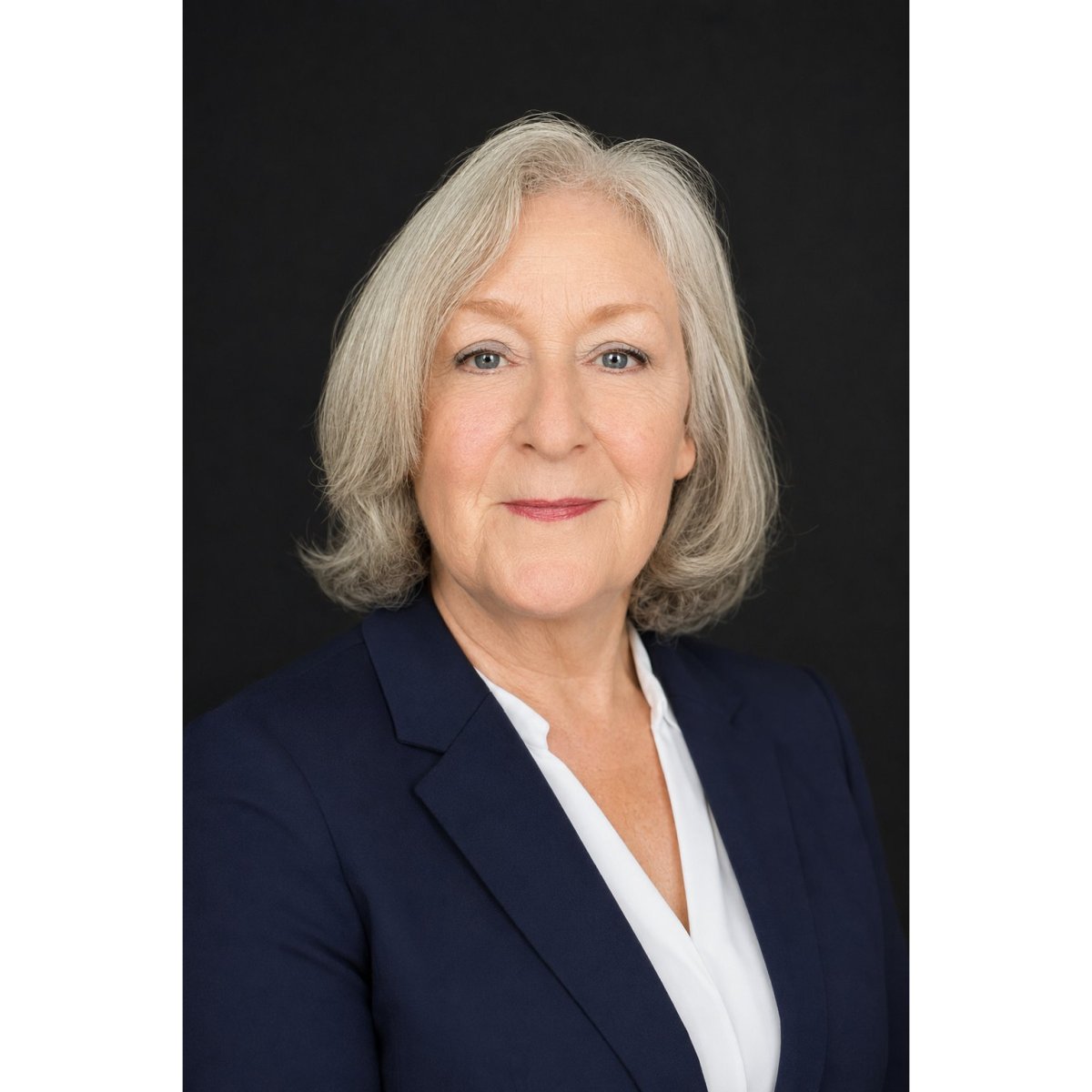
I'm Mary Hopes. I've worked as a funeral celebrant for many years now, and before that I spent decades in public service, including time as a Coroner's Officer. I hold the Level 3 Diploma in Funeral Celebrancy (QCF).
This article is one point from my guide "BEFORE YOU BECOME A FUNERAL CELEBRANT - 10 things to know before paying for training." It's not training advice. I'm not a trainer, and I don't tell anyone which course to take or how to qualify. What I do is talk honestly about what the work actually asks of you, so you can decide whether it's a fit before you spend a penny on a course. Because I have no financial connection to any provider, the advice I give is wholly unbiased and isn’t a sales pitch - I have no course to sell you!
Below, I'll walk through the qualities and funeral celebrant skills that matter day to day, and how to test your own suitability before you commit.
The Qualities of a Good Funeral Celebrant
The qualities of a good funeral celebrant come down to temperament more than technique: warmth without sentimentality, patience without passivity, and the kind of steady calm that makes a room feel safe. You can learn structure. Temperament is harder to teach.
This work is mostly listening, not performing. You'll spend far more time in kitchens and front rooms than at a lectern…more time typing than speaking. If you're the sort of person who fills awkward silences with your own voice, that’s worth noticing now rather than later.
The qualities I'd put at the top of the list:
- Genuine curiosity about ordinary lives, not just the remarkable ones
- Being comfortable with silence, tears, and long pauses
- Reliability that doesn't wobble when you're tired
- Respect for beliefs you don't share
- A sense of humour that knows when to stay under wraps
That last one surprises people. Families often want a flicker of lightness, a recognition of the person's mischief. Reading when that's welcome and when it isn't is a skill, and it's one no certificate can hand you.
The Core Funeral Celebrant Skills You Will Use Every Week
The core funeral celebrant skills are listening, writing, public speaking, organisation, and emotional boundaries. Each one gets tested weekly, often on the same day, and each can be learned with practice.

A common mistake is assuming the writing is the hard part. It isn't. The hard part is listening well enough that the writing is meaningful.
Here's how the skills show up in practice:
- Listening: a family meeting where three siblings remember the same parent completely differently, and all three are right
- Writing: turning a pile of scattered recollections into a eulogy that sounds like the person, not like a template
- Public speaking: holding the attention of a room of over two hundred people, or a room of just eight, with the same care
- Organisation: music cues, order of service, timing, and the quiet logistics nobody else is concerned with
- Emotional boundaries: being fully present and then going home, sometimes upset - and then decompressing, rather than carrying every family's grief to bed
That last skill is the one that decides whether you manage in this work. More on that shortly.
Emotional Resilience for Funeral Celebrants: The Part Nobody Warns You About
Emotional resilience for funeral celebrants isn't toughness. It's the ability to feel the weight of a room without letting it flatten you, and to do it again in a couple of days time with a different family.
Nobody warns you that some services will find your own tender spots. A funeral for someone the same age as your parent. A baby's service. A family with the same dynamics as yours. You don't get to pick which ones hit you the hardest.
What helps, in my experience:
- A debrief routine, whether that's a walk, a phone call, or twenty quiet minutes
- Clear boundaries about contact hours, so you're not answering messages at midnight
- Someone to talk to who isn't a client and isn't a fellow celebrant
- Knowing your own history well enough to identify when it's being triggered
Resilience isn't about being unmoved. It's about being moved and yet still doing the job well. Families can tell the difference between a celebrant who cares and one who's performing care, and they can also tell when you've gone under. The skill is staying in the middle of the road.
Download my free guide: 10 things to know →
Public Speaking for Funeral Celebrancy: Beyond a Steady Voice
Public speaking for funeral celebrants is less about projection and more about pacing, presence, and knowing when to stop talking. A steady voice helps. Reading the room matters more.
I've watched celebrants with beautiful voices lose a room because they never looked up from the page. I've watched others with modest voices captivate everyone because they paused in the right places and spoke TO people, not at them.
What actually matters at the lectern:
- Pacing that leaves room for grief, because people often need a few seconds to catch their breath
- Eye contact spread across the room, including the back row
- Knowing your material well enough to look up at the difficult moments
- Handling the wobble in your own voice without apologising for it
That last point trips up newcomers. If your voice catches during a eulogy, the room doesn't judge you. They're usually grateful someone cared enough to be affected. Learning to pause, breathe, and carry on is a skill worth practising before you're in front of a grieving family.
The microphone, the crematorium timing, the curtains - all of that can be learned in an hour one afternoon. But learning ‘presence’…well, that takes longer.
How to Test Your Suitability Before You Pay for Training
Testing your suitability before you pay for training is mostly about honest self-examination and real conversation, not aptitude tests. The cheapest way to find out whether this work fits is to talk to someone already doing it, and to be honest with yourself about what you hear.
I offer an independent conversation for exactly this reason. I'm not financially connected to any training provider, and I will never sell you a course. What I offer is a frank discussion about the realities, the values, and the skill set this work asks for. Sometimes people leave that conversation with me and decide celebrancy isn't for them. That's a good outcome, not a failed one - and its achieved exactly what I hoped it would: it’s prevented you spending time, money and precious energy on a path that wasn’t right for you.
A simple self-check before you commit:
Question | If the honest answer is no | If the honest answer is yes |
|---|---|---|
Can you sit with someone crying without filling the silence? | Practise listening before you enrol | Keep going |
Can you write about an ordinary, happy life without making it sound generic? | Read widely, write weekly | Keep going |
Can you leave a family's grief at the door when you get home? | Build a debrief routine first | Keep going |
Are you comfortable with beliefs and lifestyles unlike your own? | Reflect on what's driving that | Keep going |
Can you be reliably present on a day you'd rather not be? | Consider whether the work fits | Keep going |
Skills can be practised. Values are harder to acquire. If your honest answers above lean towards ‘no’ above, then training - or more training - won’t fix it. No course provide should pretend otherwise.
For more on what the work genuinely involves, the National Association of Funeral Directors and the Cremation Society of Great Britain both publish material worth reading. The Money and Pensions Service guidance on funeral planning also gives a useful sense of what families are navigating when they meet you.
Conclusion: Skills Can Be Taught, but Values Come First
The uncomfortable truth is that a training provider is selling you a certificate or qualification (they’re often not the same) and not a temperament. Funeral celebrant skills can be taught and sharpened. The values underneath them - the patience, the respect, the willingness to help a family you'll never see again….well, those come from you.
If you're weighing up whether this work is right, start with an honest conversation rather than a course brochure. You can download the full guide, "BEFORE YOU BECOME A FUNERAL CELEBRANT - 10 things to know before paying for training," from my website, and it costs nothing to read. I'm not a trainer and I won't advise you on how to qualify. I'll simply tell you the truth about the work.
Frequently Asked Questions
What qualities make a good funeral celebrant?
The qualities that matter most are warmth, reliability and genuine curiosity about people. A good funeral celebrant listens more than they talk, keeps promises about deadlines and details, and can sit with a family in distress without trying to fix their grief. Organisation matters too, because one ceremony involves dozens of small practical decisions. Training can sharpen these qualities, but it cannot supply them from scratch. If you are honest with yourself about whether they come naturally, you will make a better decision about whether to train at all.
Is funeral celebrancy emotionally demanding?
Yes, and it is worth saying plainly. You will meet families on one of the worst days of their lives, and some stories will stay with you. Emotional resilience for funeral celebrants is not about being hard; it is about knowing how to switch off, debrief and protect your own home life. Many celebrants build routines around this, such as a walk after a service or a rule against answering work emails in the evening. If you already feel stretched by other people's distress, this is the area to examine honestly before you commit to training.
Do you need to be confident speaking in public to become a funeral celebrant?
You do not need to be a natural performer, but you do need to be steady. Public speaking for funeral celebrants happens in rooms where people are crying, and the celebrant's job is to hold the space calmly rather than entertain. Most people improve with practice, and many training courses include some speaking work. What you cannot easily learn is the habit of freezing when emotions rise in the room. If you can stand up in front of a small group and keep going when your voice wobbles, you are probably in a reasonable starting place.
What should I consider before training as a funeral celebrant?
Ask yourself three things. First, do you actually enjoy meeting strangers and asking sensitive questions? Second, can you manage the admin, travel and irregular hours around family life? Third, have you spoken to someone already doing the work who has no financial interest in whether you train? I am not a trainer and I do not advise on courses, but I do offer an independent conversation about the realities of the job. A free guide covering ten things to know before paying for training is available on my website.
If you're considering celebrancy and want to talk it through before spending time, money, or energy on training, I'm here for that conversation. My independent consultation explores the realities of the work, the values it asks for, and the skills you'll use every week. With no course to sell and no agenda beyond an honest chat. Get in touch with me and start with the free guide before you decide anything.